
Preparing for the Organic Products and Production Act 2023
Guest Blog by Fliss Roberts, CEO & Founder of ANZOC
Preparing for the Organic Products and Production Act 2023
Aotearoa New Zealand's organic sector has hit a record $1.18 billion, with exports growing at nearly twice the rate of the overall primary sector. Domestic consumption is over half a billion dollars, and foodservice has been measured for the first time. By every measure, organics is one of the most strategically important categories in our food system. But with the Organic Products and Production Act 2023 bringing cost recovery from mid-2026, the sector is about to be tested in a way it has not been before.
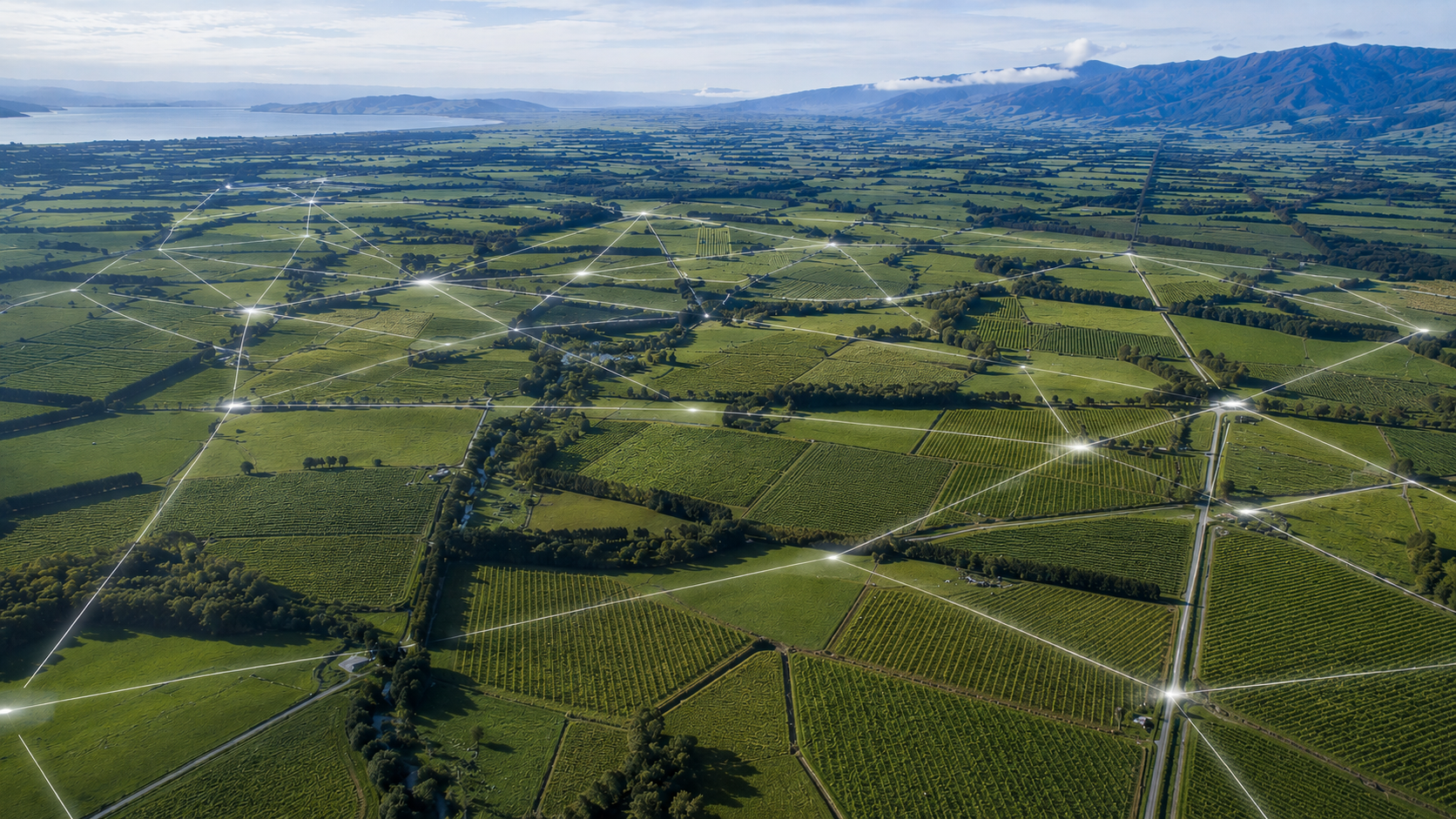
And yet the sector knows itself in fragments. Producers have their own websites. Certifiers maintain their own lists. Exporters keep catalogues. Organics Aotearoa New Zealand has a member directory. The Ministry for Primary Industries holds regulatory registers and importer details. Each one is real and useful in its narrow context, and none of them talk to each other. A buyer in Tokyo looking for a specific certified organic ingredient from Aotearoa, or a manufacturer in Auckland trying to source from a local producer, has no single place to go.
This matters more now than ever. The new Act, with cost recovery beginning mid-2026, will bring a new wave of operators into the certified ecosystem. The National Organic Standard remains unfinished more than two years after the legislation passed. The sector is about to grow in operator count, in compliance complexity, and in the volume of data that needs to be tracked, verified, and trusted. If we keep doing this in fragments, the burden of that growth will fall, as it always does, on the smallest players.
The duplication tax
Three years in organic certification operations at BioGro New Zealand taught me that producers, certifiers and regulators do an enormous amount of duplicate data entry just to participate in the sector. The same product information sits in their own website, their certifier's records, their export documentation, and any wholesale catalogue or marketplace they have tried to join. Every channel has its own format, its own update cycle, and its own gaps. When a recipe changes, a supplier changes, or a label is updated, the producer has to remember every place that data lives. A certifier needs to reassess and authorise every one of those changes.
We have built a sector where the cost of being visible is measured in unpaid administrative hours. That gets worse, not better, as the sector grows.
What shared infrastructure could look like
The principle is simple. Producers should enter their data once. That data should serve multiple purposes: visibility to buyers, currency of certification, recipe and ingredient compliance, recall readiness, export documentation, traceability. The producer controls their data. The infrastructure does the work of pushing it where it needs to go.
This is the thinking behind Aotearoa New Zealand Organic Collective. It is a directory of certified organic operators across Aotearoa and Australia, populated from existing public datasets so producers do not have to start from scratch. If you are already certified, you are probably already in there. The work is not to register; it is to claim and verify the listing that already exists.
Around the directory sits a set of practical tools that turn the data into something useful: recipe and ingredient compliance against the National Organic Standard and export markets, supplier certification expiry tracking, label claim verification, and recall and traceability documentation. The directory makes the tools possible. The tools give producers a reason to keep their directory data current.
A sector conversation
This article is not a sales pitch. The bigger argument is that the sector needs shared infrastructure regardless of who builds it. The fragmentation we have now is not a stable state. Certifiers, regulators, Organics Aotearoa New Zealand, sector bodies, producers and operators all have a role here. The infrastructure question is not whether someone will build a directory. It is whether the sector will agree on a shared approach so that the work done by one player benefits the whole.
I would invite producers, exporters, certifiers, and regulators reading this to engage with that question. What would shared sector infrastructure need to look like to be useful to you? What data do you already maintain that would benefit from being part of a connected system? These are conversations worth having now, before cost recovery brings the fragmentation problem to the surface in ways that hurt operators most.
Getting ready for the Act: what operators can do today
If you are an operator preparing for the Organic Products and Production Act, the most useful thing you can do this quarter is honestly assess where your compliance readiness sits. Most operators underestimate the gap between current practice and audit-ready documentation, particularly around recipe versioning, supplier certification tracking, and recall readiness.
Aotearoa New Zealand Organic Collective has a free Organic Products and Production Act readiness assessment that gives you a scored report on your gaps. It takes under five minutes. The report is yours to keep, whether or not you use the platform for anything else.
The sector needs operators who are ready. The first step is knowing where you stand.
Fliss Roberts is the founder of Greenback, an Aotearoa New Zealand technology company building infrastructure for the organic and regenerative agriculture sectors. She previously spent three years in organic certification operations at BioGro New Zealand. Aotearoa New Zealand Organic Collective is available at anzoc.co.nz.